

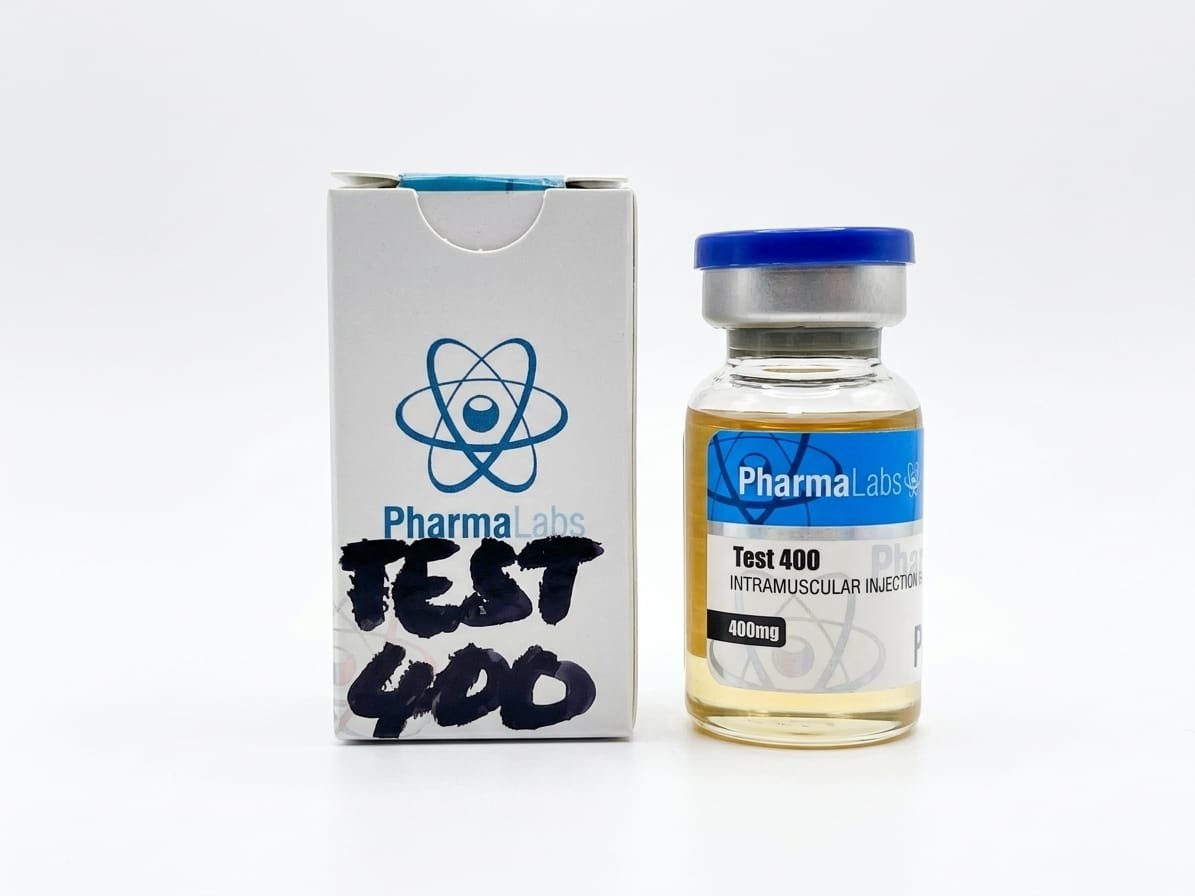

Testosterone Enanthate 400 mg/10 ml
Testosterone Enanthate 400 mg/mL, sometimes referred to as “Test E 400,” is a high-concentration injectable formulation of testosterone enanthate. Testosterone enanthate is an oil-based, long-acting ester of testosterone used medically as testosterone replacement therapy for certain patients with documented testosterone deficiency under appropriate medical supervision.
Medication Overview
| Category | Information |
|---|---|
| Active Ingredient | Testosterone enanthate |
| Concentration | 400 mg/mL |
| Dosage Form | Oil-based injectable solution |
| Medication Class | Androgen / anabolic steroid |
| Primary Medical Use | Testosterone replacement for certain forms of male hypogonadism |
| Route | Injection, according to the specific prescription product |
Formulation & Concentration
Testosterone enanthate 400 mg/mL contains 400 milligrams of testosterone enanthate ester per milliliter of solution. This is a high concentration compared with many conventional pharmaceutical testosterone enanthate preparations.
Available testosterone enanthate products can differ considerably in concentration, formulation, manufacturer, and regulatory status. A concentration of 400 mg/mL should not automatically be assumed to have the same formulation or manufacturing standards as an approved pharmaceutical product with a lower concentration.
Patients should verify the exact product, concentration, manufacturer, and prescribing information with a licensed healthcare professional or pharmacist.
How Testosterone Enanthate Works
Testosterone enanthate is an esterified form of testosterone. Following administration, the ester is gradually hydrolyzed, releasing testosterone into the bloodstream.
Testosterone is an androgen hormone involved in numerous physiological processes, including maintenance of muscle mass, bone density, red blood cell production, libido, and reproductive function.
The pharmacokinetic profile of testosterone enanthate allows testosterone levels to remain elevated for an extended period compared with short-acting testosterone preparations. The exact duration and blood concentration profile depend on the formulation, dose, route, and individual patient factors.
Medical Use
Testosterone replacement therapy may be prescribed for men with certain forms of hypogonadism when testosterone deficiency has been appropriately evaluated and diagnosed.
Medical testosterone therapy is intended to restore testosterone levels toward an appropriate physiological range. Treatment generally requires periodic clinical assessment and laboratory monitoring to evaluate testosterone levels and potential adverse effects.
Testosterone Enanthate and Performance Use
Testosterone and other anabolic-androgenic steroids are sometimes used outside approved medical indications for physique or athletic performance purposes. Such use can involve substantially different doses and risk profiles from medically supervised testosterone replacement therapy.
Non-medical use of high-concentration testosterone preparations can increase the risk of adverse effects and may involve products that have not been evaluated or approved for human use. Testosterone should not be used for performance enhancement without appropriate medical supervision.
Potential Side Effects and Risks
Testosterone therapy can produce adverse effects, particularly when testosterone levels become excessive or treatment is not appropriately monitored.
Injection-Site Reactions
Injectable testosterone products may cause pain, redness, swelling, irritation, or other reactions at the injection site. The characteristics of an injectable formulation can influence tolerability.
Estrogen-Related Effects
Some testosterone is converted to estradiol through the aromatase enzyme. Increased estrogen activity may contribute to effects such as fluid retention, breast tenderness, or gynecomastia in some individuals.
Androgenic Effects
Increased androgen activity may contribute to acne, oily skin, increased body hair, and acceleration of male-pattern hair loss in individuals who are genetically predisposed.
Suppression of Natural Testosterone Production
Exogenous testosterone can suppress the body’s natural production of testosterone by reducing pituitary secretion of luteinizing hormone (LH) and follicle-stimulating hormone (FSH). This suppression can reduce sperm production and may affect fertility.
Cardiovascular and Blood-Related Effects
Testosterone therapy can increase hematocrit and hemoglobin in some patients. Changes in lipid levels and blood pressure may also occur. These effects are among the reasons appropriate medical monitoring is important during testosterone treatment.
Monitoring During Testosterone Therapy
Patients receiving prescribed testosterone therapy may require periodic monitoring based on their individual medical circumstances. Healthcare professionals may evaluate testosterone concentrations, hematocrit, blood pressure, lipid parameters, and other clinically relevant measurements.
The appropriate monitoring schedule depends on the patient’s diagnosis, treatment formulation, response to therapy, age, medical history, and other risk factors.
Important Safety Information
- Use testosterone only under the direction of a qualified healthcare professional.
- Do not change the prescribed dose or administration schedule without medical guidance.
- Do not use testosterone prescribed for another person.
- Tell your healthcare professional about existing medical conditions and all medications or supplements you use.
- Keep injectable medications stored according to the product’s official instructions.
- Report concerning or persistent adverse effects to your healthcare professional.
- Discuss fertility considerations with a healthcare professional before beginning testosterone therapy.
Frequently Asked Questions
What is Testosterone Enanthate 400 mg/mL?
It is a high-concentration formulation containing 400 mg of testosterone enanthate per milliliter. The exact formulation and regulatory status depend on the manufacturer and product.
What is testosterone enanthate used for?
Testosterone enanthate can be prescribed as testosterone replacement therapy for certain patients with documented testosterone deficiency, depending on the approved indication of the specific product.
Is 400 mg/mL a standard pharmaceutical concentration?
Many approved pharmaceutical testosterone enanthate products are available at lower concentrations. A 400 mg/mL preparation should therefore be evaluated according to its specific manufacturer, formulation, regulatory status, and prescribing information rather than assuming it is equivalent to every testosterone enanthate product.
Can testosterone affect fertility?
Yes. Exogenous testosterone can suppress LH and FSH production and consequently reduce sperm production. Individuals concerned about fertility should discuss this with a qualified healthcare professional before starting treatment.
Be the first to review “Testosterone Enanthate 400 mg/10 ml”
Related products

Phamarcy
Phamarcy
Reviews
There are no reviews yet.